A gutter guard warranty is one of the most important documents in the purchase — and one of the least carefully read. Homeowners hear "lifetime warranty" in a sales pitch, assume that means lifetime, and don't open the fine print until they need to make a claim. By that point, it's often too late.
Here's how to read a gutter guard warranty before you sign anything, what to look for, what to be skeptical of, and how to compare apples to apples across the brands you're evaluating.
Start With the Word "Lifetime"
“Lifetime” in a gutter guard warranty almost never means forever. It usually means one of three things, and you need to know which one applies:
:The lifetime of the original homeowner. Coverage ends when the home changes hands. If you plan to sell, this is materially different from a transferable warranty.
A defined "lifetime" of the product — often 30 or 50 years in the fine print. Some companies use “lifetime” colloquially to mean a fixed long duration.
The lifetime of the home itself. This is the strongest version, but it’s rare and usually comes with significant exclusions.
Before you sign, ask the company — in writing — what “lifetime” means in their specific warranty. If the salesperson can’t give you a clear answer, that’s a signal.
Read the Transfer Clause
A transferable warranty is one of the most underrated features for homeowners who may sell within the next 10–20 years. A non-transferable warranty resets to zero when you sell.
.What to look for:
- Is the warranty transferable at all?
- How many times can it transfer?
- Is there a transfer fee?
- Is there a registration deadline at the time of sale?
Many gutter guard warranties are silent on transfer entirely — coverage is written to the original purchaser and says nothing about what happens when the home sells. If the document doesn’t address it, ask the manufacturer directly and get the answer in writing before you sign.
Understand What "Limited" Actually Limits
Almost every gutter guard warranty is technically a "Limited" warranty. What the limits are matters enormously.
Common limits include:
- Materials only, not labor. The manufacturer replaces the product but you pay an installer to remove the old guards and put new ones on. Labor on a full-house gutter guard replacement can run $1,500–$4,000. This is the industry standard — including for our own warranties — so don’t let anyone imply otherwise about any brand without showing you the clause.
- Pro-rated coverage. Coverage decreases over time. A “lifetime” warranty might cover 100% in year 1, 50% in year 10, and 10% by year 20.
- Performance exclusions. Many warranties exclude damage from severe weather events like hurricanes, hail, and other “acts of God.” Read the exclusions list carefully so you know what’s on it before you need to make a claim
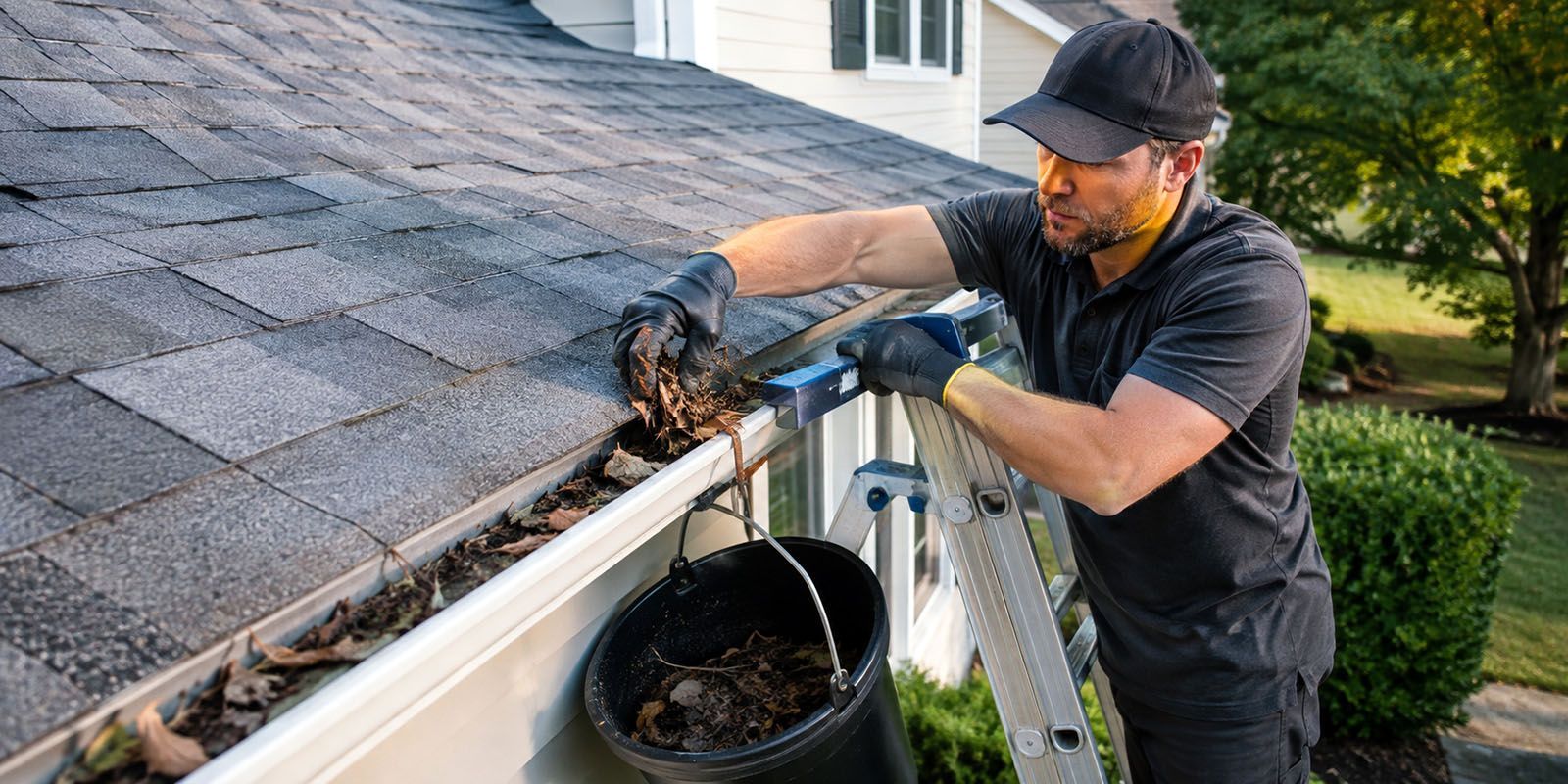
- Maintenance requirements. Nearly every gutter guard warranty — ours included — requires reasonable routine maintenance to stay in effect. That’s normal. What you should be skeptical of is a “no-clog guarantee” that requires professional cleaning on a defined paid schedule to maintain coverage. There’s a big difference between an occasional rinse with a garden hose and a recurring service contract disguised as a warranty condition. Ask which one you’re signing up for.
Watch for Installation Requirements
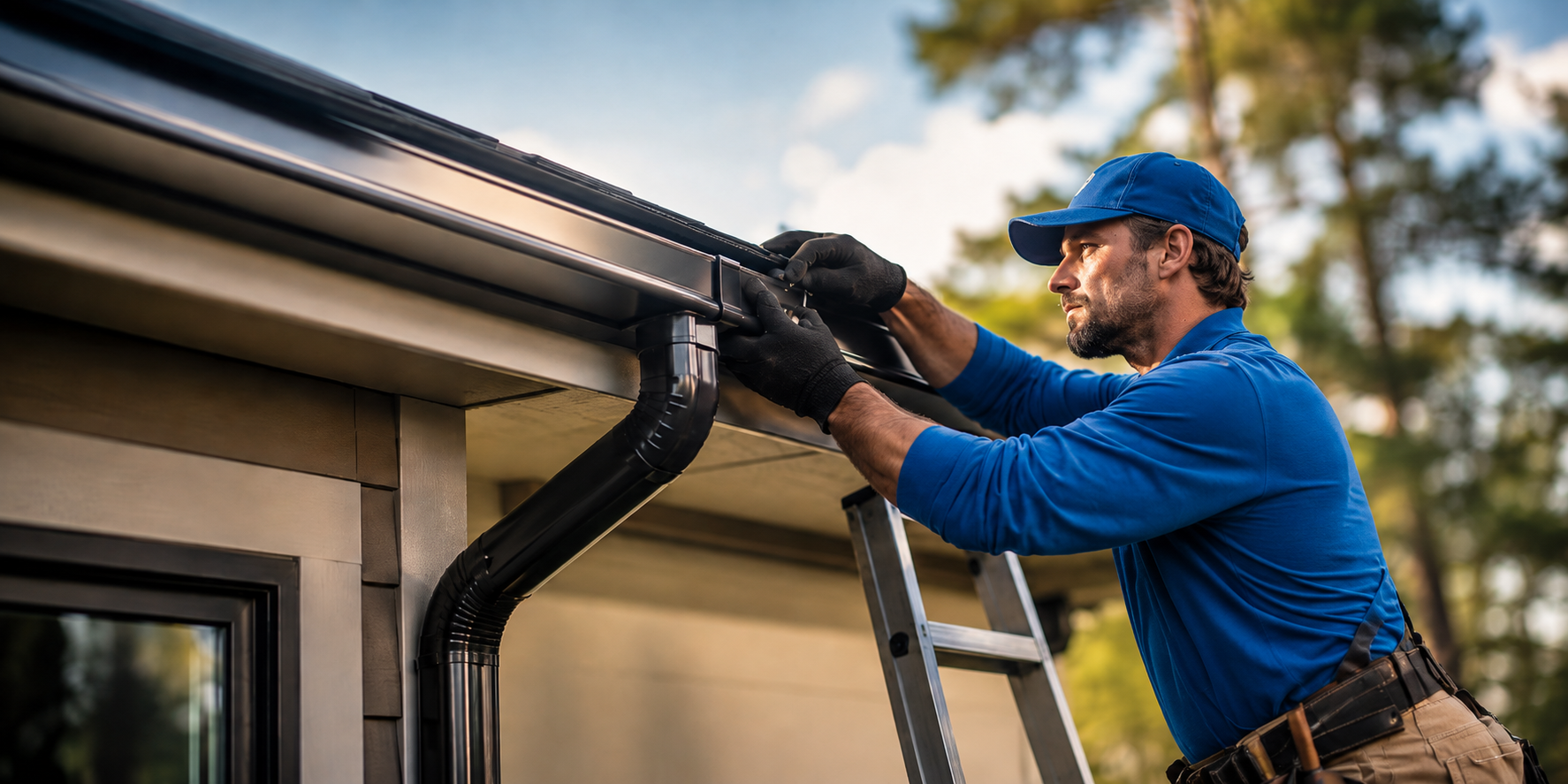
Improper installation is the most common cause of premature gutter guard failure, and virtually every warranty excludes damage or performance failures caused by it — ours do too.
Specifically, ask:
- Does the warranty require installation by an authorized dealer, or does it exclude improper installation? (These are different things — know which applies.)
- What documentation do I need to keep on file? (Original receipt, installer information, warranty registration?)
- Is there a registration deadline after install?
Lose the paperwork or skip the registration, and a straightforward claim can become a difficult one. Register your warranty as soon as the install is done, while the documents are still in hand.
Material Quality Tells You What to Expect
You don't have to be a materials engineer to evaluate a warranty in light of the product. Some quick principles:
- Surgical-grade stainless steel doesn't rust, doesn't corrode galvanically, and
doesn't fatigue under freeze-thaw cycles. It supports a credible lifetime warranty.
- Painted aluminum can hold up for decades, but the paint and the aluminum itself can degrade in harsh UV or salt-air environments. A 20-year warranty is appropriate; a "lifetime" warranty on painted aluminum should be read carefully.
- Plastic and foam systems degrade in UV exposure within a few seasons. A long warranty on these materials usually relies on heavy exclusions to limit actual claims.
The warranty length should make sense for the material. If a company is offering a "lifetime" warranty on a plastic product, ask exactly what they're warranting and for whom.
How Leaf Solution Warranties Are Structured
For transparency, here’s how the warranties on our three flagship product lines actually work. You can read the full documents yourself — both are available for download on our
warranty page.
Leaf Solution Gutter Guard and
Xtreme Gutter Guard are covered together under our
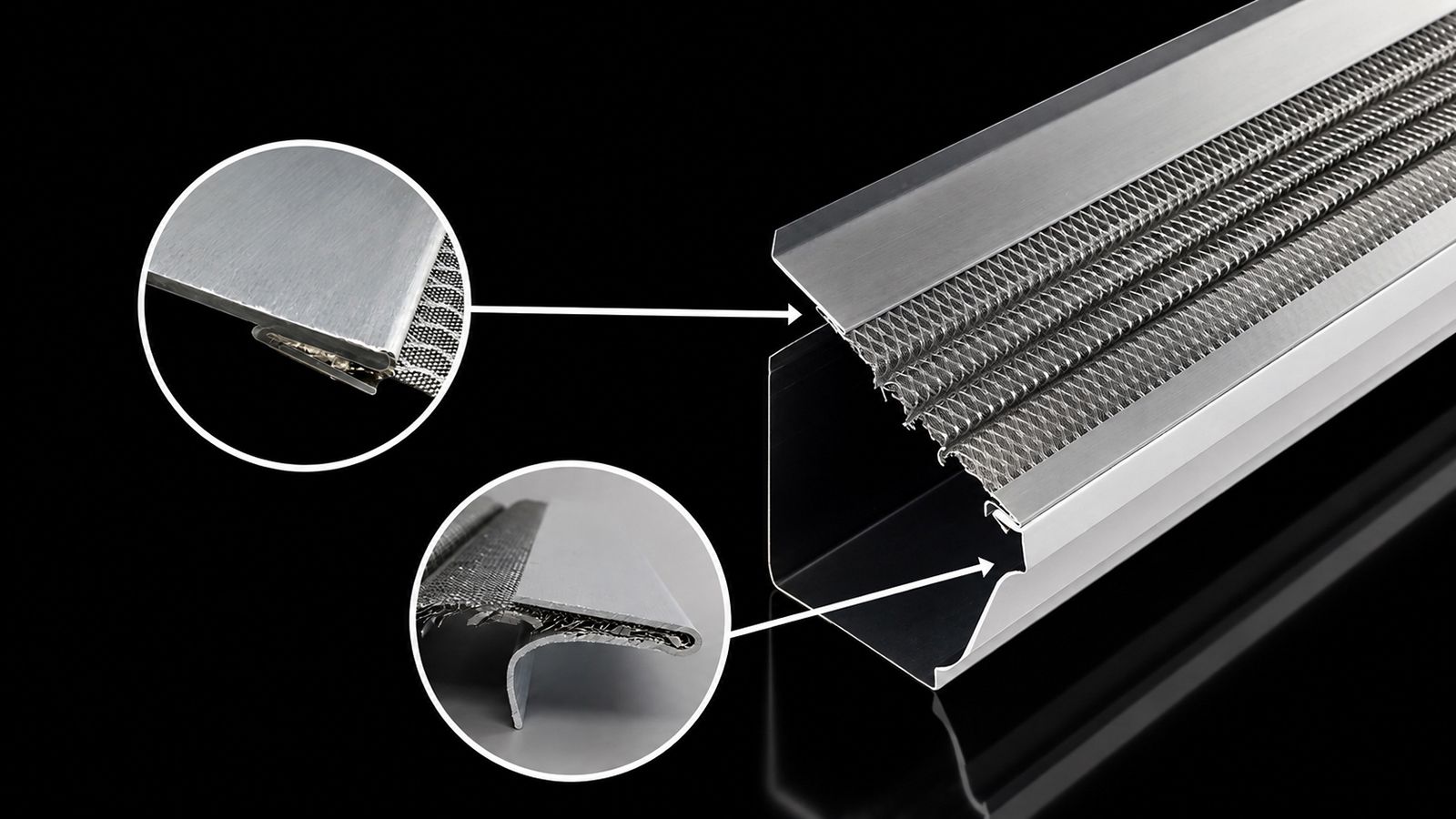
Lifetime No-Clog Warranty. It has two parts: a material warranty — the product is free from defects in material and workmanship, and the finish won’t chip or blister under ordinary wear — and a performance guarantee that, when installed as we specify, the product will keep your gutters from clogging and overflowing from debris like leaves, twigs, needles, and seeds. Both products are built on our patented hemmed-mesh construction — Leaf Solution with micro mesh and patented capillary dips, Xtreme with surgical-grade stainless steel micro mesh — materials we’re confident backing for life.
New Wave Gutter Guard carries a 20-Year No-Clog Warranty with the same two-part structure. It’s our entry-level option — punched aluminum, built for areas with primarily large debris like leaves and sticks. Twenty years reflects what we know about the material’s real-world performance and is honest about the difference between aluminum and micro mesh.
And here’s the fine print on our own warranties, stated plainly, because we just told you to demand this from everyone:
- Coverage is materials, not labor.
If we replace product, we provide the material; removal, reinstallation, and shipping are not covered. This is standard across the industry, and we’d rather tell you now than surprise you later.
- Maintenance is minimal but real. In most cases rainfall and light wind keep the micro-mesh products clean on their own; we recommend an occasional rinse with a garden hose. New Wave homeowners are responsible for keeping the top surface clear of debris. No professional cleaning contracts, no paid service schedules.
- Standard exclusions apply
— acts of God, improper installation, vandalism, painting or altering the product, and combining our guards with non–Leaf Solution gutter guard components, among others. The complete list is in the warranty documents.
When your system is installed, register your warranty at
leafsolution.com/warranty — it takes a couple of minutes and puts your documentation on file with us from day one.
The Five Questions to Ask Before You Sign
- What does "lifetime" mean in this specific warranty?
- Is the warranty transferable, and how?
- Does it cover labor, or just materials?
- What conditions void the warranty? (Be specific.)
- What's the claims process — who do I call, and what do I need to provide?
If a salesperson can answer all five of those questions clearly and points you to the relevant section of the warranty document for each, that's the kind of company you want to do business with. If they get defensive or vague, that's information too.
A warranty is the manufacturer's promise about what they really believe their product will do. Read it the way you'd read a contract — because that's exactly what it is.
Find a Certified Installer and download our full warranty terms at
leafsolution.com/warranty before you make your decision.