The Short Answer: Twice a Year, Minimum
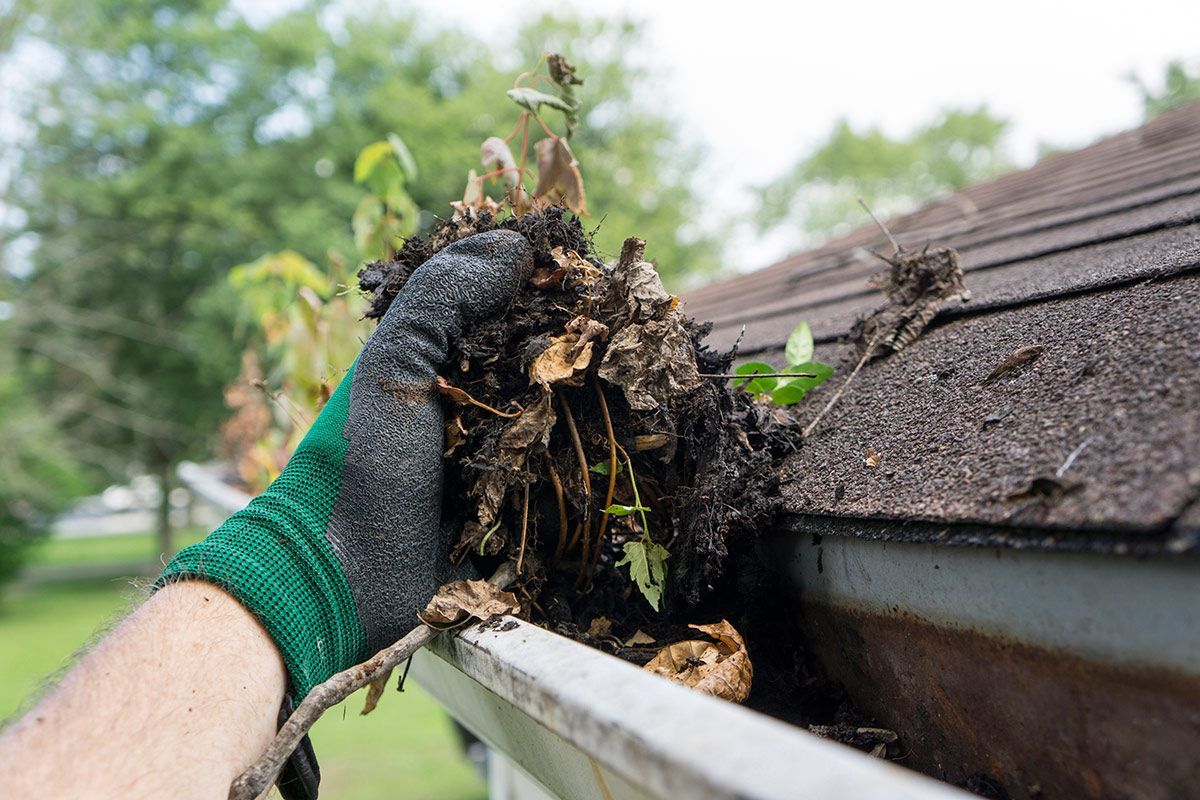
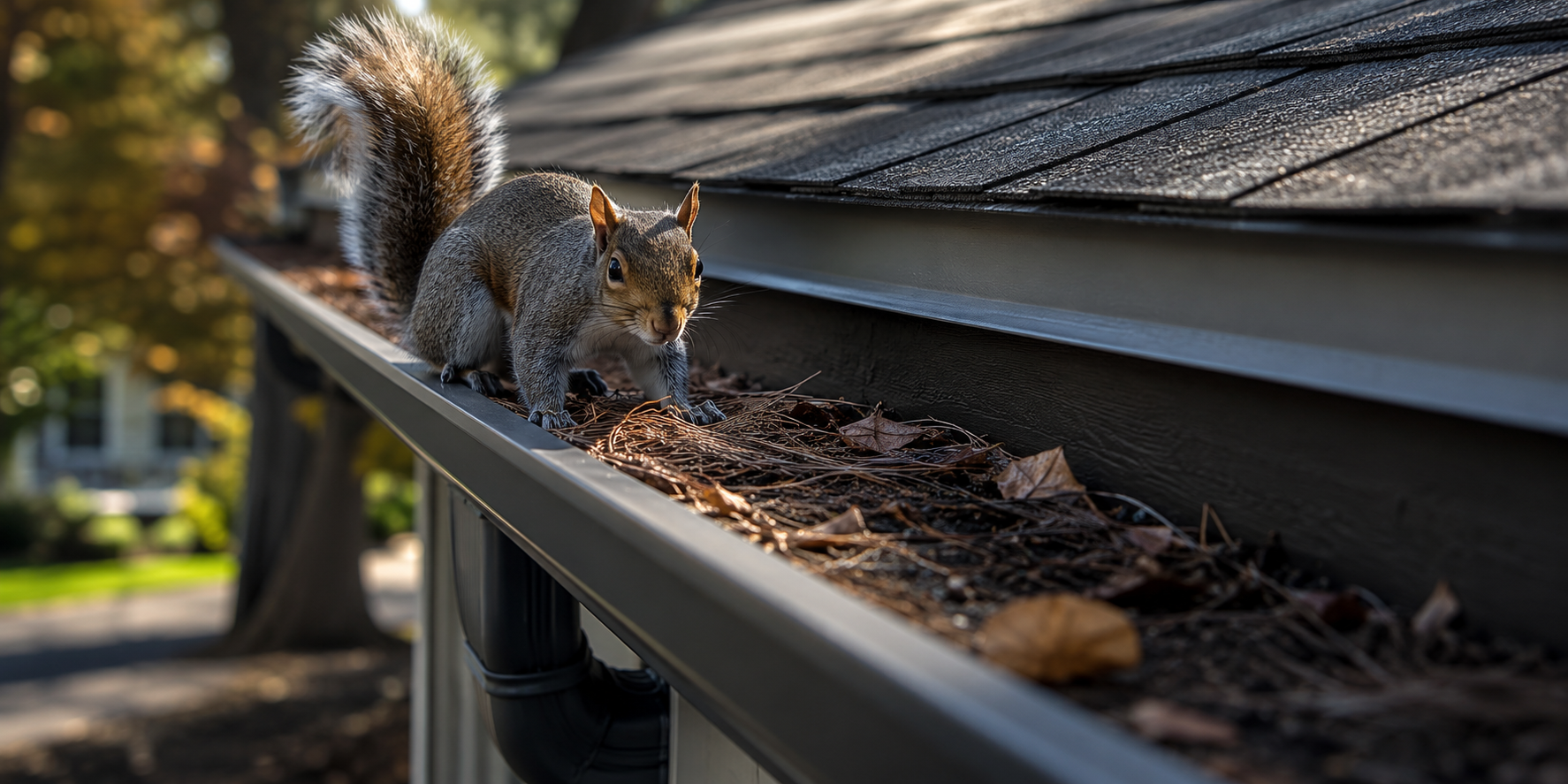
For most homes, the rule of thumb is to clean gutters at least twice a year — once in late spring after the seeds, blossoms, and pollen drop, and again in late fall after the leaves are down. That's the baseline.
But the real number depends on what's growing around your home:
- Heavy tree cover (especially pines, oaks, and maples): Three to four times a year. Pine needles in particular accumulate year-round and pack tightly enough to defeat most cleaning efforts.
- Open lots with minimal canopy: Once a year may be enough, but a quick spring inspection is still smart.
- Storm-prone regions: Add a cleaning after any major wind or hail event. Debris loads can change overnight.
If you've never cleaned your gutters and you can't remember the last time someone did, assume they're full. They almost always are.
What Actually Happens When You Skip It?
Most homeowners imagine clogged gutters as a cosmetic issue — water spilling over the edge during a storm. The real damage is structural, and it's expensive.
Fascia and soffit rot. When water can't drain through the downspout, it sits in the gutter and slowly soaks into the wood behind it. Painted fascia can hide rot for years before it shows. Replacement runs anywhere from $15 to $30 per linear foot, and serious cases mean repainting and re-flashing sections of the roof line.
Foundation cracks and basement seepage. Overflowing gutters dump thousands of gallons against the side of your house every year. That water saturates the soil at the foundation, freezes and expands in winter, and eventually finds its way through the concrete. Foundation repair is one of the most expensive interventions in homeownership — frequently five figures.
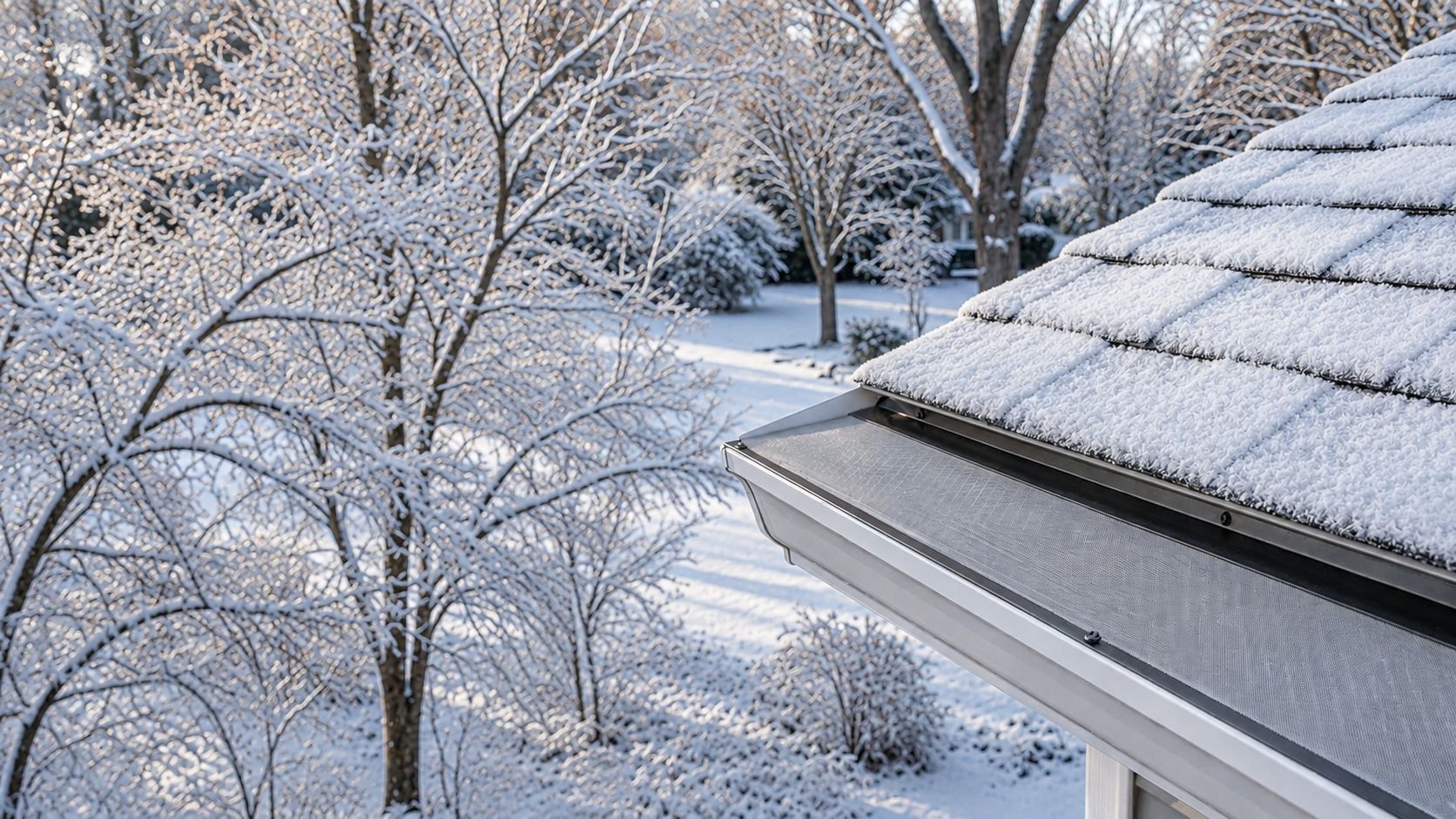
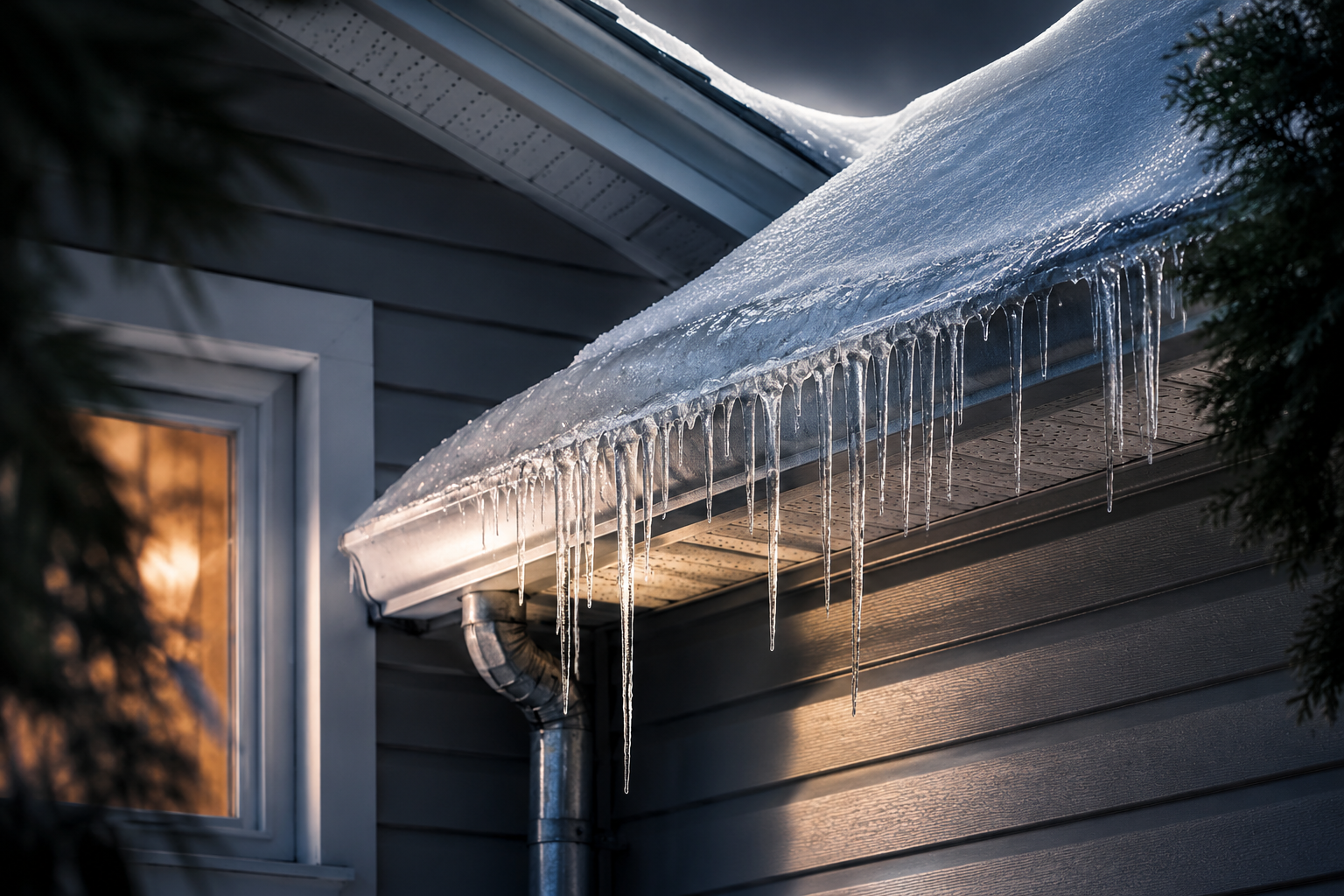
Ice dams. In cold climates, clogged gutters trap snowmelt, which refreezes at the eaves and forces water back up under the shingles. The result is interior ceiling stains, ruined insulation, and sometimes full roof replacements.
Landscaping damage. A clogged gutter doesn't just overflow at the front — it overflows everywhere, eroding mulch beds, drowning plantings, and undermining walkways.
Pest infestations. Standing water in gutters is a mosquito nursery. Damp, leaf-packed gutters attract carpenter ants, termites, and nesting rodents. Once they move into the gutter, they're a short trip from your attic.
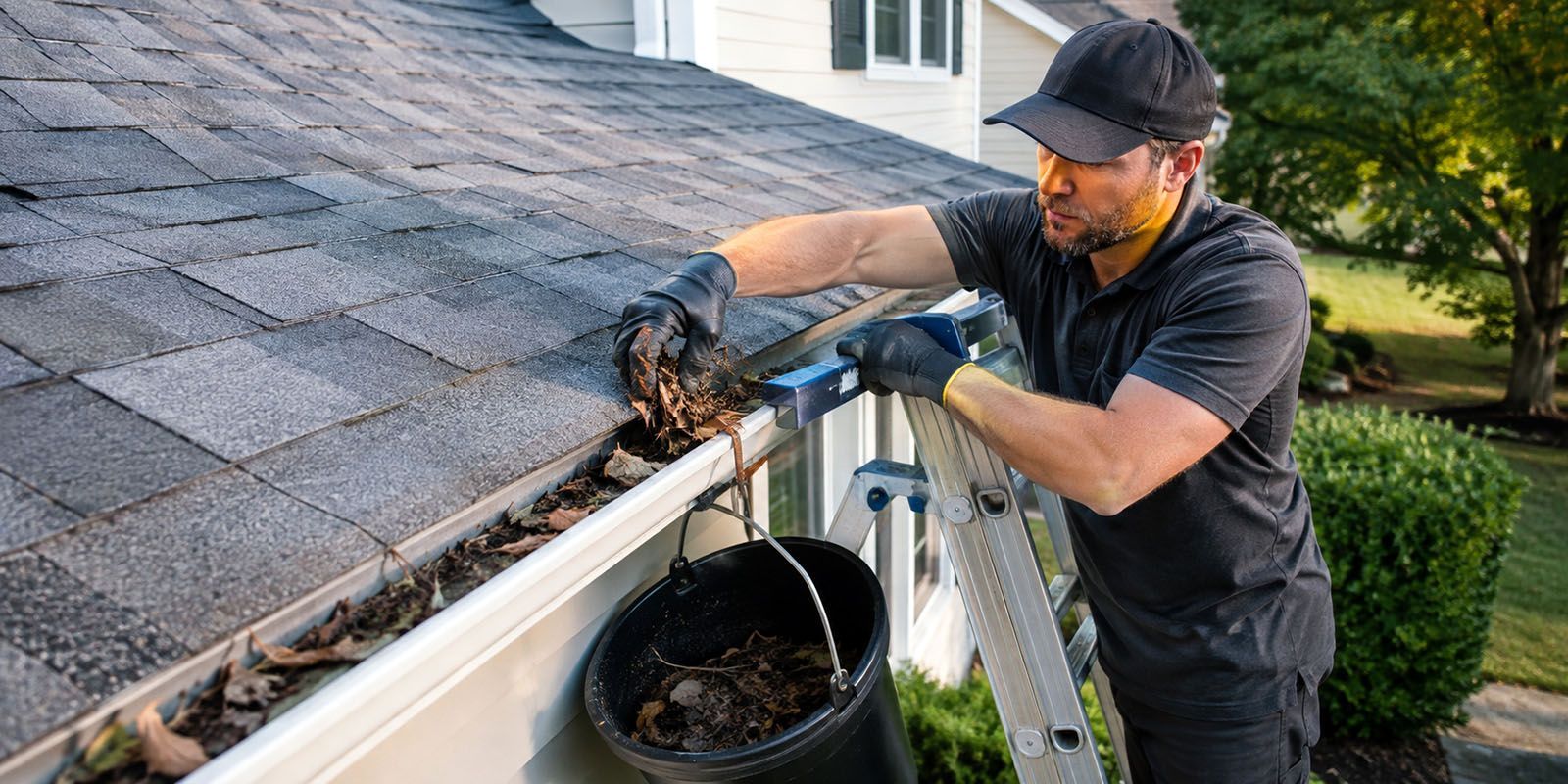
Personal injury. Roughly 500,000 Americans visit the emergency room each year from ladder-related falls. Gutter cleaning is one of the most common causes. If you're paying someone else to clean your gutters two to four times a year, that's $150 to $400 a visit — money that adds up over a decade.
Why Cleaning Schedules Always Slip
In our experience working with homeowners, the schedule almost never gets followed perfectly. Life gets in the way. The ladder is in the shed. The weather is bad the weekend you planned to do it. The contractor who used to do it retired. So the gutter goes one season longer than it should, and then another, and damage starts compounding silently.
This is the actual reason gutter protection exists. Not because cleaning is impossible — but because cleaning consistently, on schedule, for the next twenty years, is something most households simply won't do.
The Case for Skipping the Schedule Altogether
sigh quality gutter protection systems are constructed using
non combustible materials such as stainless steel and aluminum, which do not ignite when exposed to embers.
Leaf Solution gutter guards are manufactured using these durable metal components.
Class A Fire Performance
Leaf Solution products meet
Class A fire performance under recognized ASTM standards, which is the highest fire resistance rating typically used in residential building materials.
Class A performance indicates that a product helps resist flame spread and does not significantly contribute to fire growth when exposed to fire testing conditions.
This level of performance helps align with many
Wildland Urban Interface building requirements adopted across wildfire prone regions.
The Case for Skipping the Schedule Altogether
A properly installed gutter protection system from a manufacturer that controls its own materials and warranty isn't a luxury upgrade — it's a way to lock in protection that doesn't depend on remembering to climb a ladder twice a year for the rest of your life.
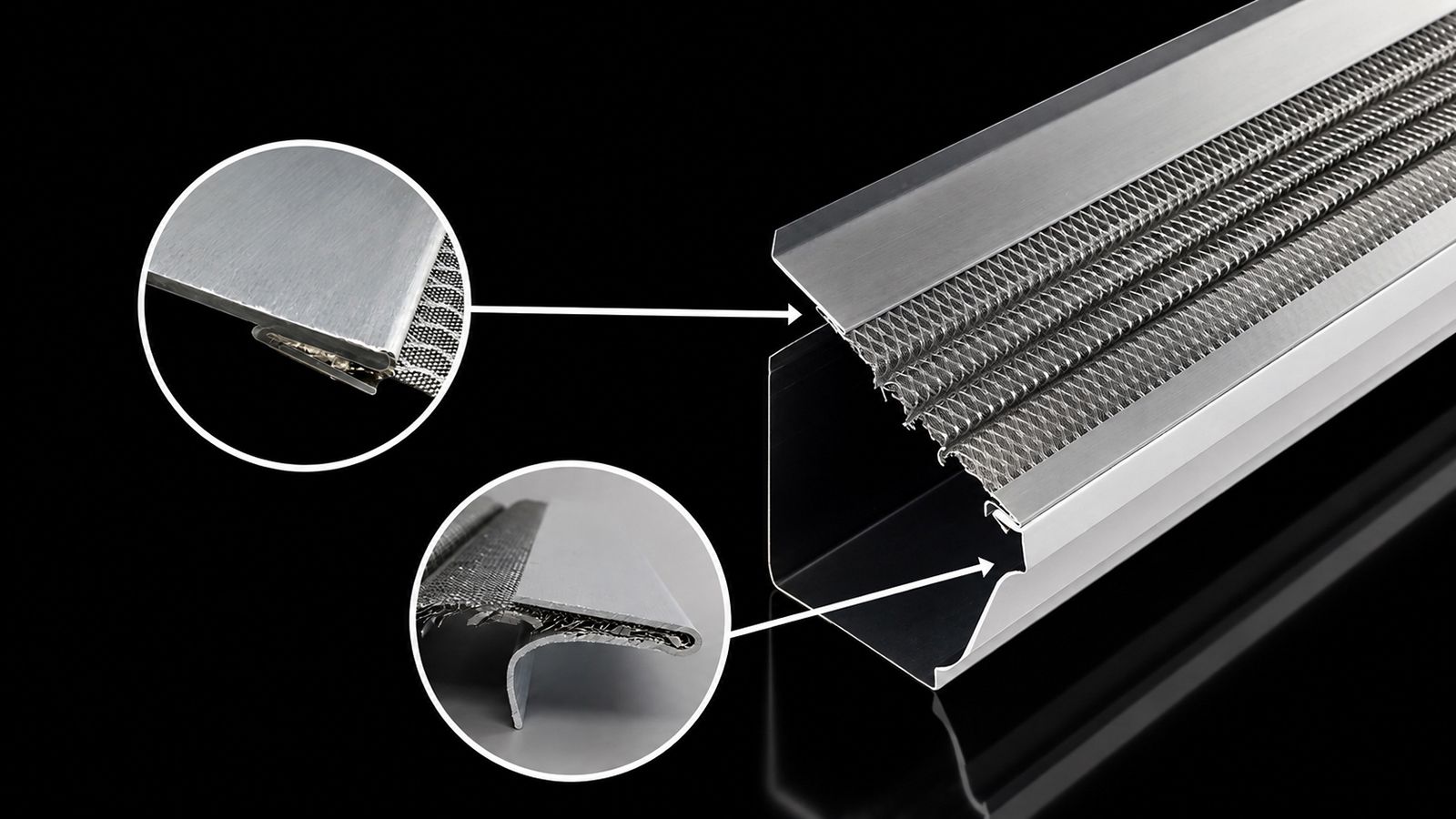
Leaf Solution's three product lines — Evelyn's Leaf Solution micro mesh, Xtreme stainless steel micro mesh, and New Wave punched aluminum — each handle different debris environments and budgets. All three are slope-mounted to shed debris naturally, and all are backed by warranties that reflect what we expect them to do over decades, not months.
The goal isn't to never look at your gutters again. It's to never have to.
Ready to Stop Cleaning Gutters?
If you're tired of the seasonal ladder routine — or you've already paid for damage that started in a clogged gutter — it may be time to make this the last cleaning season you ever do.
Find a Certified Installer in your area and get a personalized quote on the system that fits your home.